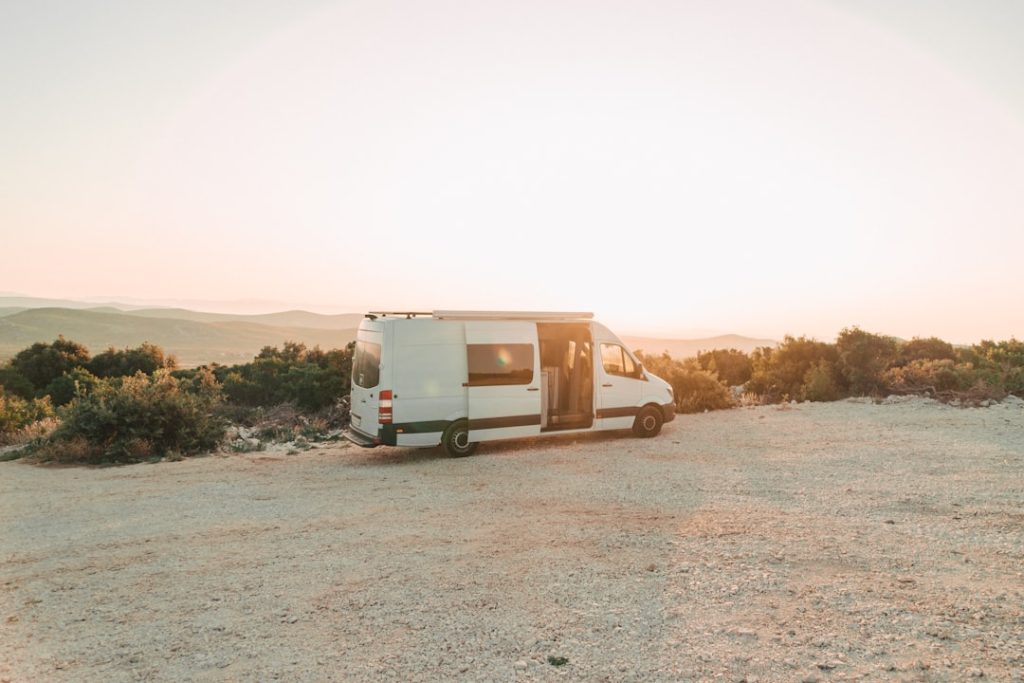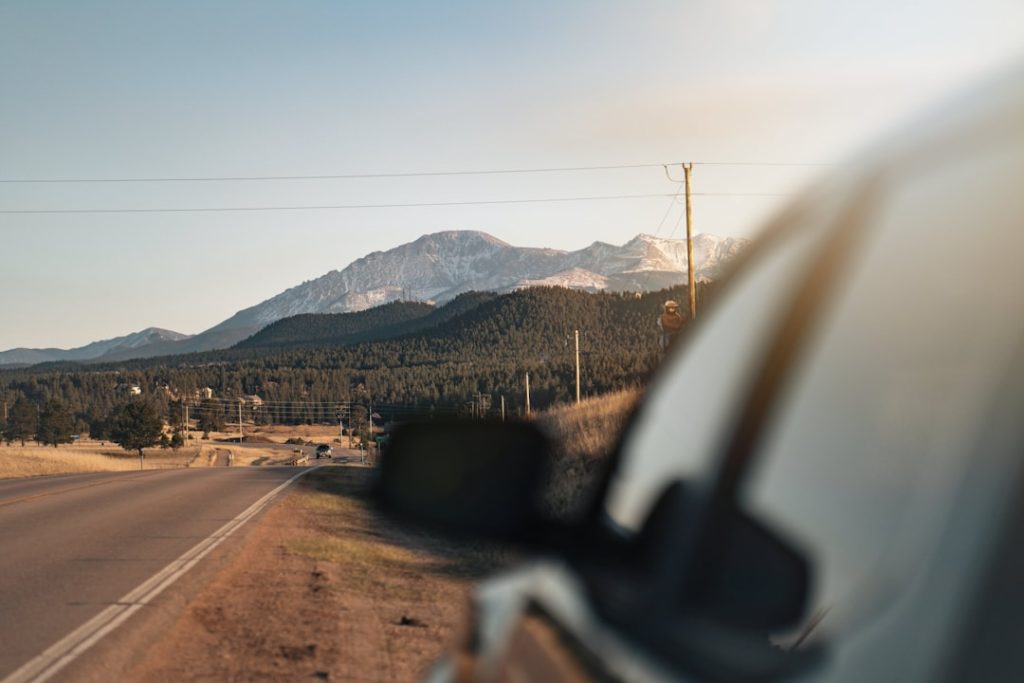
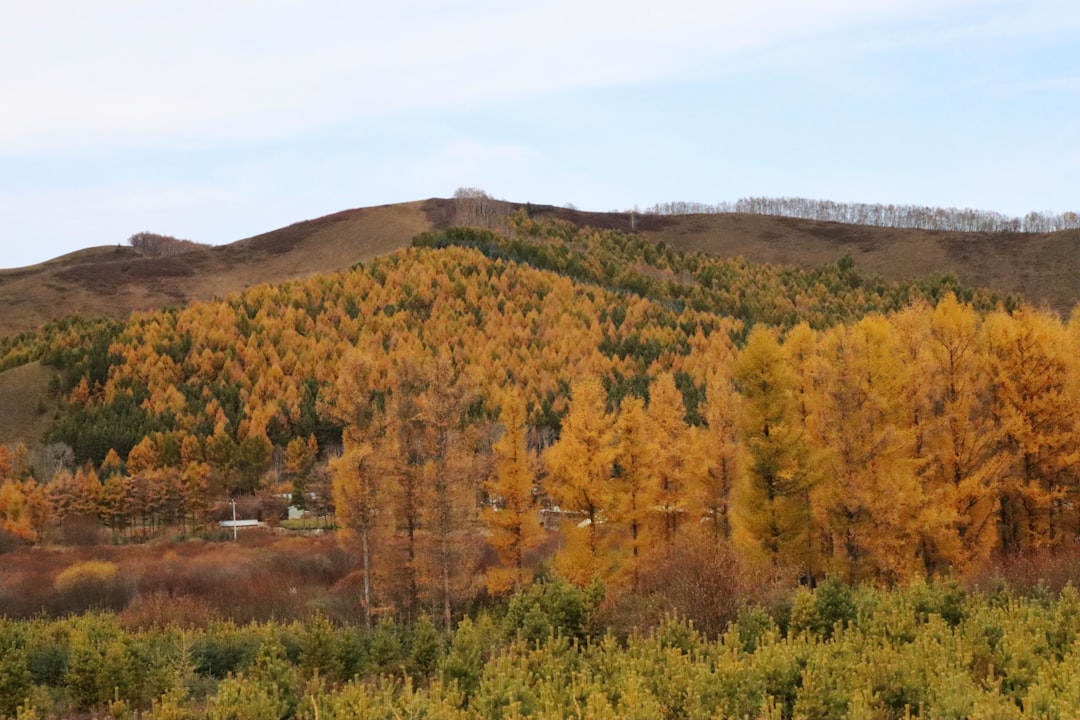
As the world emerges from the constraints of the pandemic, outdoor travel has surged in popularity, with a notable shift in consumer behavior towards experiences that embrace nature. According to recent market research, the outdoor recreation industry is projected to reach a staggering $887 billion by 2025, reflecting a compound annual growth rate (CAGR) of 4.3% from 2020 to 2025. This growth is driven by a combination of factors, including a heightened awareness of mental health, a desire for adventure, and a growing emphasis on sustainability.
Key Insight: The increasing demand for outdoor experiences indicates a significant shift in consumer priorities, with more travelers seeking budget-friendly and eco-conscious options.
Budget-friendly travel has become a focal point for many outdoor enthusiasts. With the average American spending approximately $1,200 on travel annually, there is a growing interest in finding ways to explore without breaking the bank. Campgrounds, national parks, and hiking trails offer affordable alternatives to traditional vacations. For instance, a family of four can enjoy a week camping in a national park for less than the cost of a single night in a hotel in a major city. This trend has led to a rise in DIY travel planning, with travelers increasingly turning to online resources and social media for inspiration and guidance.
Eco-friendly travel is another significant trend shaping the outdoor travel landscape. As awareness of climate change and environmental degradation grows, more travelers are prioritizing sustainable practices in their adventures. According to a survey conducted by Booking.com, 72% of global travelers expressed a desire to travel sustainably in 2022, with 61% stating they would be willing to pay more for sustainable travel options. This shift is prompting outdoor brands and travel companies to adopt greener practices, such as using recycled materials for gear and promoting eco-friendly accommodations.
The rise of technology in outdoor travel is also noteworthy. Mobile apps and websites have transformed how travelers plan and experience their adventures. Platforms like AllTrails and Komoot provide detailed trail maps, user-generated reviews, and real-time weather updates, making it easier for outdoor enthusiasts to explore new areas safely. Additionally, the use of social media has created a community of travelers who share their experiences, tips, and recommendations, further fueling interest in outdoor activities.
Moreover, the pandemic has led to a resurgence in interest in local travel. With international travel restrictions in place, many individuals have turned to exploring their own backyards. This trend has resulted in increased visitation to local parks, nature reserves, and scenic areas. In fact, the National Park Service reported a 28% increase in visitors in 2021 compared to the previous year, highlighting the growing appreciation for natural spaces close to home.
As outdoor travel continues to evolve, several emerging trends are worth noting. Glamping, or glamorous camping, has gained traction as a way to enjoy the outdoors without sacrificing comfort. This trend appeals to those who may not be keen on traditional camping but still want to experience nature. Additionally, wellness retreats that incorporate outdoor activities such as hiking, yoga, and meditation are becoming increasingly popular, catering to travelers seeking both adventure and relaxation.
In conclusion, the outdoor travel sector is experiencing a renaissance, driven by a combination of budget-consciousness, eco-awareness, and technological advancements. As consumers increasingly prioritize experiences over material possessions, the demand for outdoor adventures is likely to continue growing. For those looking to explore the great outdoors, now is the perfect time to embrace the trends shaping this vibrant industry and embark on unforgettable journeys that connect them with nature.